





 Eco-Friendly Packaging Catalog >>


Seal the Deal: The Do’s and Don’ts of Effective Meat Packaging
When it comes to food products, meat packaging is far more than just an aesthetic choice it plays a crucial role in maintaining product freshness, ensuring safety, meeting regulatory standards, and building customer trust. In the highly competitive and perishable meat industry, particularly in the Philippines, the cost of packaging mistakes can be devastating for both businesses and consumers alike. Proper meat packaging is vital to safeguard against spoilage, contamination, and ensure meat products remain at their best quality from production to the point of sale.
The meat packaging industry faces a variety of challenges, and businesses must stay aware of common mistakes that can negatively affect their packaging processes. By understanding the best practices and avoiding common errors, Filipino businesses can enhance their meat packaging strategies, improve product quality, and ensure customer safety and satisfaction. This comprehensive guide offers insights into what works and what to avoid in order to optimize meat packaging and help businesses stay competitive in the market.
1. Choosing the Wrong Packaging Material for Meat
Mistake:
One of the most frequent errors in the meat packaging process is selecting the wrong material that doesn’t suit the product type or storage conditions. For example, using non-barrier films for fresh meat or pre-cooked meat products may lead to oxygen exposure, accelerating spoilage, discoloration, and loss of flavor.
How to Avoid It:
Select packaging materials with the right barrier properties tailored to the type of meat and its intended shelf life. For fresh meat, vacuum-sealed films or Modified Atmosphere Packaging (MAP) are ideal as they provide the necessary protection against spoilage. Frozen products, on the other hand, may require multi-layered packaging with extra sealing methods to prevent freezer burn. In the Philippines, where the climate can be hot and humid, it’s essential to choose materials that offer moisture resistance, especially for frozen meats.
2. Improper Sealing or Closure
Mistake:
A poor seal or defective closure is one of the leading causes of packaging failures in the meat industry. Even a small leak can compromise the product’s safety, quality, and shelf life, as it allows air, bacteria, or contaminants to enter the package.
How to Avoid It:
Ensure that your sealing equipment is up to standard and regularly checked for faults. Use high-quality heat sealing technology to create a reliable and airtight seal. The sealing surface should be clean before each cycle to avoid contamination. Additionally, incorporating tamper-evident seals or closures adds an extra layer of protection against product tampering and enhances consumer confidence. For businesses looking to streamline their packaging processes, investing in packaging solutions for business that prioritize sealing integrity can significantly improve product quality and safety.
3. Overlooking Labeling Requirements
Mistake:
Forgetting to include essential labeling information is a common mistake in meat packaging. Regulatory bodies in the Philippines and abroad require certain information, including the product’s expiration date, weight, ingredients, storage instructions, and safe handling guidelines. Failure to comply can lead to legal issues, fines, and loss of consumer trust.
How to Avoid It:
Stay informed on the latest local and international food labeling regulations and ensure that your meat packaging includes all necessary information. Make your labels clear, legible, and easy to read, with all critical details visible to consumers. Consider integrating modern technologies like QR codes to allow consumers to easily trace product information or track batch histories, enhancing transparency and trust.
4. Ignoring Temperature Sensitivity
Mistake:
Meat is highly sensitive to temperature fluctuations. Improper packaging that doesn’t account for cold chain logistics can compromise product safety, leading to bacterial growth and faster spoilage, especially in a tropical country like the Philippines.
How to Avoid It:
Use materials that are optimized for refrigerated or frozen conditions. Consider packaging solutions with moisture-resistant properties and materials that maintain integrity during transport. Incorporate insulated layers or secondary packaging like coolers or gel packs to ensure temperature consistency, especially if your product will be shipped over long distances or stored for extended periods.
5. Focusing Only on Appearance
Mistake:
While attractive packaging is important for grabbing attention on store shelves, it’s easy to focus too much on visual appeal and neglect packaging functionality. Meat packaging must strike a balance between design and practical performance, ensuring safety and product integrity.
How to Avoid It:
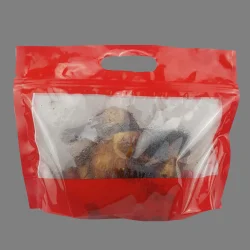
Combine aesthetically appealing designs with the necessary protective features. For instance, clear windows can showcase the freshness of the meat, while high-barrier films protect it from air, moisture, and bacteria. Eco-friendly finishes can also enhance the appeal without compromising the effectiveness of the packaging.
6. Neglecting Sustainability in Meat Packaging
Mistake:
The global push towards environmental sustainability is growing, and so are consumer demands for eco-friendly products. In the meat industry, packaging that uses excessive plastic or non-recyclable materials can harm your brand’s image, especially with environmentally conscious consumers.
How to Avoid It:
Opt for sustainable packaging solutions like recyclable, compostable, or reduced-plastic options. Explore mono-material films and eco-friendly laminates that provide the same protective benefits but have a lower environmental impact. As regulations tighten and sustainability becomes a priority, staying ahead of packaging trends, including choosing the right food packaging containers, can improve your brand's reputation and appeal to the growing environmentally aware demographic in the Philippines.
7. Underestimating Consumer Convenience
Mistake:
Consumer convenience is key when it comes to meat packaging. Packaging that’s difficult to open, not resealable, or hard to dispose of can frustrate customers, leading to waste and dissatisfaction. This is especially important in the Philippines, where consumers value convenience and practicality.
How to Avoid It:
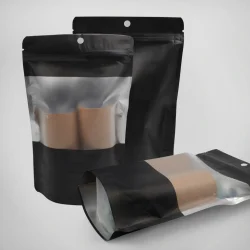
Invest in packaging that’s easy to open, resealable, and user-friendly. Consider portioned packs for smaller households or resealable pouches to ensure meat stays fresh after opening. Features that enhance usability, like easy-peel film or zip-lock seals, can improve the customer experience, reduce food waste, and encourage repeat purchases.
8. Skipping Quality Control Checks
Mistake:
Inconsistent packaging quality can lead to recalls, damaged products, or compromised safety, which can significantly harm your brand’s reputation. Regular quality control checks are essential in ensuring packaging standards are met consistently.
How to Avoid It:
Implement strict quality control protocols for your meat packaging process. This includes testing sealing, vacuum levels, film strength, and label accuracy on every batch. Periodic audits, automated packaging systems, and employee training can also help improve the consistency and reliability of your packaging operations.
Final Thoughts on Effective Meat Packaging
The process of meat packaging in the Philippines goes far beyond just a visually appealing design. To ensure the safety, freshness, and quality of your meat products, it’s essential to focus on selecting the right materials, proper sealing techniques, accurate labeling, temperature control, sustainability, and consumer convenience. In the highly competitive meat market in the Philippines, even minor oversights can lead to product losses, regulatory fines, and a tarnished reputation.
By understanding the common mistakes that can occur in meat packaging, businesses in the Philippines can optimize their packaging strategies and build lasting trust with local consumers. Effective meat packaging not only guarantees product freshness and safety but also ensures compliance with local regulations critical factors for maintaining customer satisfaction and staying ahead in the Filipino market. Even small packaging errors can result in costly product losses, consumer dissatisfaction, or regulatory issues. It’s essential to apply best practices and stay informed about new trends and packaging materials to continuously improve meat packaging processes.
With the right approach to meat packaging in the Philippines, you can ensure that your products reach consumers in top condition. At the same time, you’ll build a sustainable, consumer-friendly packaging solution that enhances both safety and brand reputation, which is crucial in maintaining a loyal customer base in the local market.