





 Eco-Friendly Packaging Catalog >>


Optimizing Sausage Packaging for Freshness, Safety, and Customer Trust
In today’s competitive food industry, the quality of your product is only half the story — the other half is how it’s packaged. While sausage may seem like a straightforward product, its packaging plays a critical role in everything from shelf life to safety, branding to sustainability.
Staying up to date with how food packaging influences industry standards, consumer expectations, and logistical efficiency is essential for any brand. This article explores why sausage packaging matters, what makes it effective, and the key factors to consider when choosing the right solution for your products.
1. Preservation is Priority
Sausages — whether fresh, smoked, or cured — are highly sensitive to temperature, air, and moisture. Without the right packaging, they quickly lose their freshness, taste, and safety.
Effective sausage packaging serves as a barrier against:
- Oxygen, which causes spoilage
- Moisture loss, which affects texture
- Contamination, which can lead to foodborne illness
Technologies like vacuum-sealed pouches, modified atmosphere packaging (MAP), and multi-layer barrier films are commonly used in the industry to extend shelf life without preservatives.
2. Packaging Impacts Food Safety
When it comes to meat products, safety is non-negotiable. Packaging that isn’t food-safe or fails to protect the contents during transport can result in recalls, reputation damage, or worse — consumer health risks.
Sausage packaging must be:
- Leak-proof
- Tear-resistant
- Compliant with food safety regulations (e.g. FDA, EU standards)
Even small packaging failures during handling or shipping can expose the product to harmful bacteria. That’s why selecting materials and formats that meet the latest food-grade certifications is essential for processors and distributors alike.
3. Visual Appeal Influences Buying Behavior
Packaging is often the first interaction consumers have with a product — especially in retail settings. The way a sausage is packaged directly influences perception, trust, and even appetite.
Key visual elements that matter:
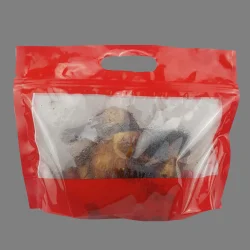
- Clear windows to show product quality
- Matte or gloss finishes for brand tone
- Color psychology that triggers appetite
- Typography that communicates freshness or tradition
Whether selling premium artisanal sausages or high-volume options, thoughtful design can make a product stand out in crowded refrigerated aisles.
4. Sustainability Is No Longer Optional
With more consumers demanding environmentally responsible packaging, brands are under pressure to reduce waste and carbon footprint.
In the world of sausage packaging, this could include:
- Recyclable mono-material pouches
- Compostable film alternatives
- Reduced plastic multilayer designs
Choosing sustainable materials can enhance a brand’s image and appeal to eco-conscious buyers. While not all packaging needs to be compostable today, planning for future compliance with environmental standards is becoming more important.
5. Efficiency in Storage and Transport
Sausages are often shipped long distances, both chilled and frozen. Good packaging doesn’t just protect the product — it improves logistics and efficiency.
Effective sausage packaging should be:
- Compact and space-saving
- Lightweight to reduce shipping costs
- Stackable or flexible to optimize storage
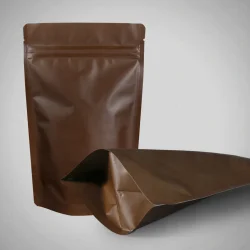
Formats like vacuum packs, flow wraps, and stand-up pouches allow brands to optimize space without compromising protection.
6. Consumer Convenience Matters
Today’s consumer isn’t just looking for food — they’re looking for convenience. Sausage packaging that’s easy to open, reseal, and dispose of can improve user experience and increase repeat purchases.
Features that consumers appreciate include:
- Easy-tear notches
- Zipper reseals
- Single-portion packaging
As take-home meals and ready-to-cook options grow in popularity, packaging that matches modern lifestyles is key to staying relevant.
7. Customization Strengthens Branding
Sausage brands aren’t all the same — and their packaging shouldn’t be either. Packaging allows brands to differentiate themselves, tell their story, and build recognition.
Custom options commonly used include:
- Branded sleeves or labels
- Printed flexible films
- Die-cut shapes that align with brand personality
Whether a brand is going for rustic, modern, gourmet, or family-friendly, packaging is the canvas for that communication.
Final Thoughts from Entrepouch
Smart packaging is all about balancing protection, sustainability, convenience, and brand storytelling. Companies that master these elements can confidently stand out in an increasingly competitive marketplace. Similarly, effective packaging for meat and other perishable products plays a crucial role in maintaining freshness, ensuring hygiene, and enhancing shelf appeal.
Choosing innovative and eco-friendly solutions not only preserves product quality but also strengthens consumer trust and brand credibility. While we currently focus on providing insights rather than direct packaging sales, our goal remains the same — to share valuable knowledge that helps brands make informed, future-ready decisions. Ultimately, the right packaging doesn’t just protect your products — it protects your brand reputation, builds customer loyalty, and ensures your offerings truly stand out.